Category: Uncategorized

  • Pelješac: Croatia’s Red Wine Country (and the Best Oysters on the Coast)

    By David Pierce · liveURGENT Unbound
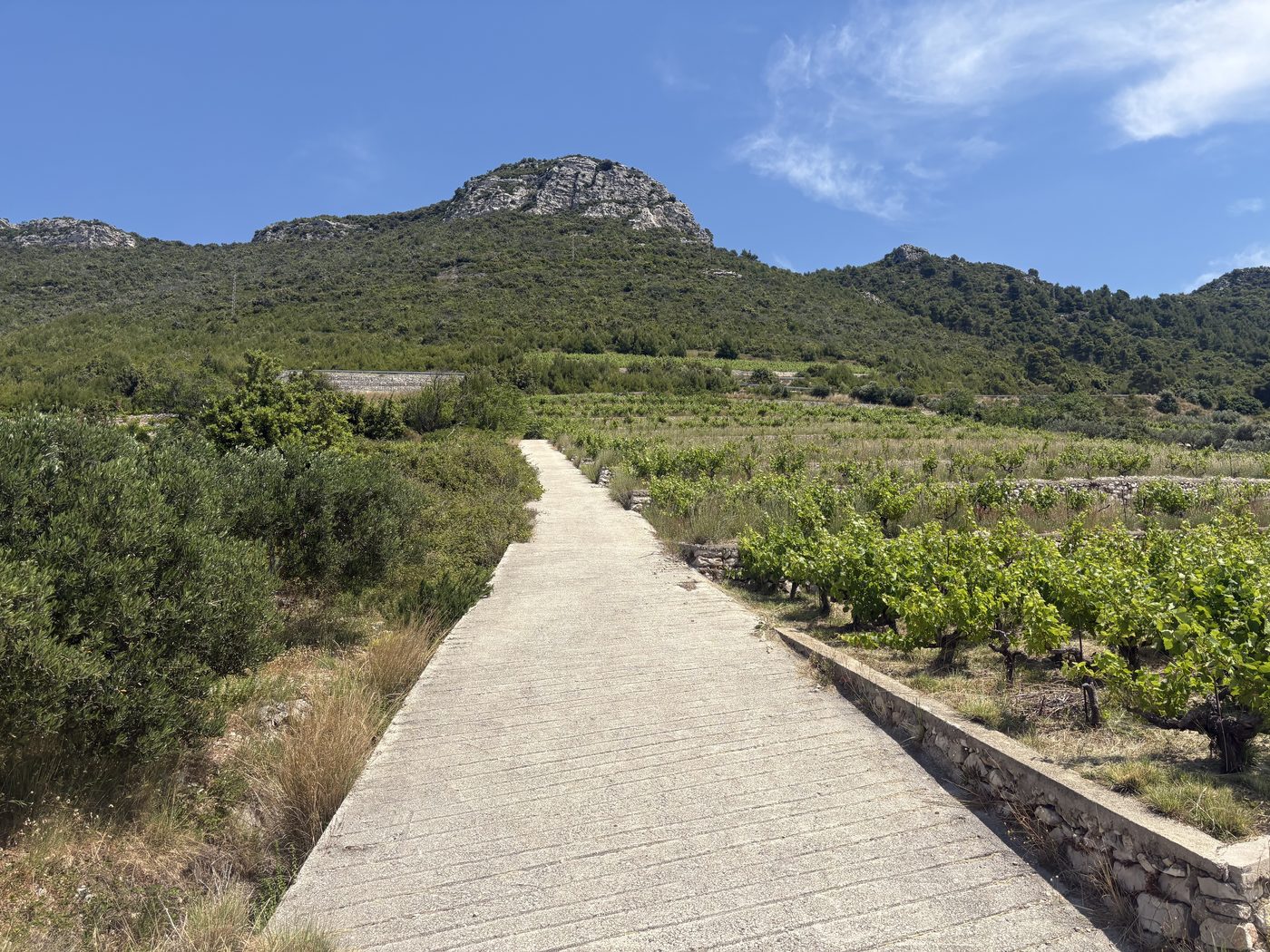
    Vineyard paths between the hills of Pelješac — Plavac Mali country
    Vineyard paths between the hills of Pelješac — Plavac Mali country

    Most people meet the Pelješac Peninsula through a car window, on the coast road between Split and Dubrovnik — a long arm of hills reaching into the Adriatic, there and gone in an hour. We met it the slow way, on bicycles, on the fourth day of a five-day island ride, and it turned out to be the day the cyclists and the wine drinkers both won. This is Croatia’s serious red wine country: steep south-facing slopes, ancient grapes, and prices from another era. If you take one detour off the Dalmatian coast road, make it this one.

    We spent three weeks in Croatia and Montenegro in May 2026, and Pelješac was built into the middle of the trip — the ride crossed it on its fourth day, wineries and all. Everything below is what we actually drank, bought, and ate.

    The slopes that make the wine

    Pelješac’s reputation rests on two appellations on its southern side: Dingač and Postup. Both are steep, sun-beaten slopes falling toward the sea, and both produce the best Plavac Mali in the country — Croatia’s signature red grape, grown hard in thin soil and reflected heat.

    Plavac Mali is not a polite wine. It’s full-bodied and tannic, the kind of red that stands up to grilled fish in a way that seems wrong until it isn’t — and then it’s the only thing you want with it. That pairing shouldn’t work on paper. On a Dalmatian table, with the fish still smelling of the grill and the slope the grapes grew on visible through the window, it simply does.

    The vineyards are part of the experience even before you taste anything. The appellations aren’t a valley floor you drive past; they’re hillsides you climb through, vines on both sides of the road, the Adriatic opening up at every ridge. However you cross the peninsula — bike or car — you cross the wine country, not around it.

    How we got there: Day 4 of the ride

    Our route onto Pelješac was the bike ride’s fourth day: Korčula island in the morning, then onto the peninsula for the run through Dingač and Postup, with winery stops built into the day. The riding is demanding — Pelješac is hilly, and the elevation adds up — but the context makes it worth every meter of climbing. There is something about arriving at a winery under your own power, with the vineyard slopes already in your legs, that makes the tasting mean more.

    If you’re driving instead of riding, the advice from our trip is simple: give the peninsula a full day of its own. It sits on the coast road south from Split toward Dubrovnik, and it tempts you to treat it as a stop. Resist that. A full day lets you do what the bike day did for us — wineries at a pace, lunch in the middle, and the oysters at the base of the peninsula before you roll on. The ride itself is its own story, and the wineries were only one of the days that made it.

    The wine buying strategy

    Here is the single best wine value on the entire trip, stated plainly: stop at a winery and buy directly.

    Miloš and Saints Hills are the names to know. Buy at the cellar door and the prices are a fraction of what you’d pay if these wines were exported — which most of them aren’t. That last part matters. This isn’t a region whose best bottles are sitting in a wine shop back home waiting for you to get around to them. The wine is here, the production is small, and the gap between the cellar-door price and the wine’s quality is the widest we found anywhere in three weeks of eating and drinking our way down the coast.

    Our strategy, such as it was: taste at the wineries the day crosses, buy the bottles that stop conversation, and don’t overthink the shipping math on wine you cannot replace at home. A trip through Dingač and Postup that ends with an empty trunk is a trip half finished.

    End at the oysters: Ston and Mali Ston

    The peninsula’s base is guarded by two small towns with an outsized reputation: Ston and Mali Ston, home to the salt pans — and, in the clean water of the bay beside them, the best oysters on the coast.

    Pair the wine day with an oyster stop; that’s not our improvisation, it’s the shape the place itself suggests. Just-shucked Mali Ston oysters with a glass of Pošip — the white grape we drank all through the islands — is one of Dalmatia’s great simple pleasures. No technique, no ceremony: cold oysters, a squeeze of lemon if you insist, and a white wine grown one peninsula away. After a day of tannic reds on steep slopes, it is exactly the right full stop.

    It’s also the practical end of the day. Ston and Mali Ston sit where the peninsula meets the mainland road, so the oyster stop is the natural last act before the drive on to Dubrovnik — the city we’d point you to for the following two nights.

    Plan your Pelješac day

    • Give it a full day if you’re driving. The peninsula is a destination wearing a detour’s clothes. A rushed hour buys you a photo of a slope; a day buys you the wine.
    • Cross it, don’t skirt it. The Dingač and Postup slopes are the point. Route through the appellations and stop at the wineries the road passes.
    • Buy at the cellar door. Miloš and Saints Hills are the names to know; direct prices are a fraction of export prices, and most of these wines are never exported at all.
    • Finish at Mali Ston. Oysters at the base of the peninsula, with a glass of Pošip, before the road on to Dubrovnik.
    • If you’re riding, expect hills. The bike route crosses Pelješac on Day 4 and it’s one of the demanding days — demanding, and the one we’d all vote to do again.

    The peninsula we’d drive back for

    Every trip has a place that outperforms its billing. Dubrovnik was the headline of ours, and it earned it — but Pelješac was the surprise: the wine country we crossed at bicycle speed, bought from the cellar door, and finished with oysters at the base of the hills. Red wine country and the best oysters on the coast, in the same day’s drive. That’s a combination we’d cross an ocean for, and we’d point anyone driving this coast the same way.


    Take the whole trip: Croatia & Montenegro: The Luxury-Adventure Playbook — Pelješac is one stop on the three-week route we actually took: Split, the five-day island bike ride through these vineyards, Dubrovnik, Kotor and the Bay — every stay, table, and real cost included. $29 on Gumroad.

    Read next: Dubrovnik: Stay Two Nights, Not One Day · Cycling the Islands: Split to Dubrovnik by Bike · Hvar & Korčula: Where to Eat Beyond the Ride · What Three Weeks in Croatia & Montenegro Actually Cost

    Disclosure: Some links on this site are affiliate links. If you book through them, liveURGENT may earn a small commission at no extra cost to you.
  • Split: Sleeping Inside a Roman Palace

    By David Pierce · liveURGENT Unbound

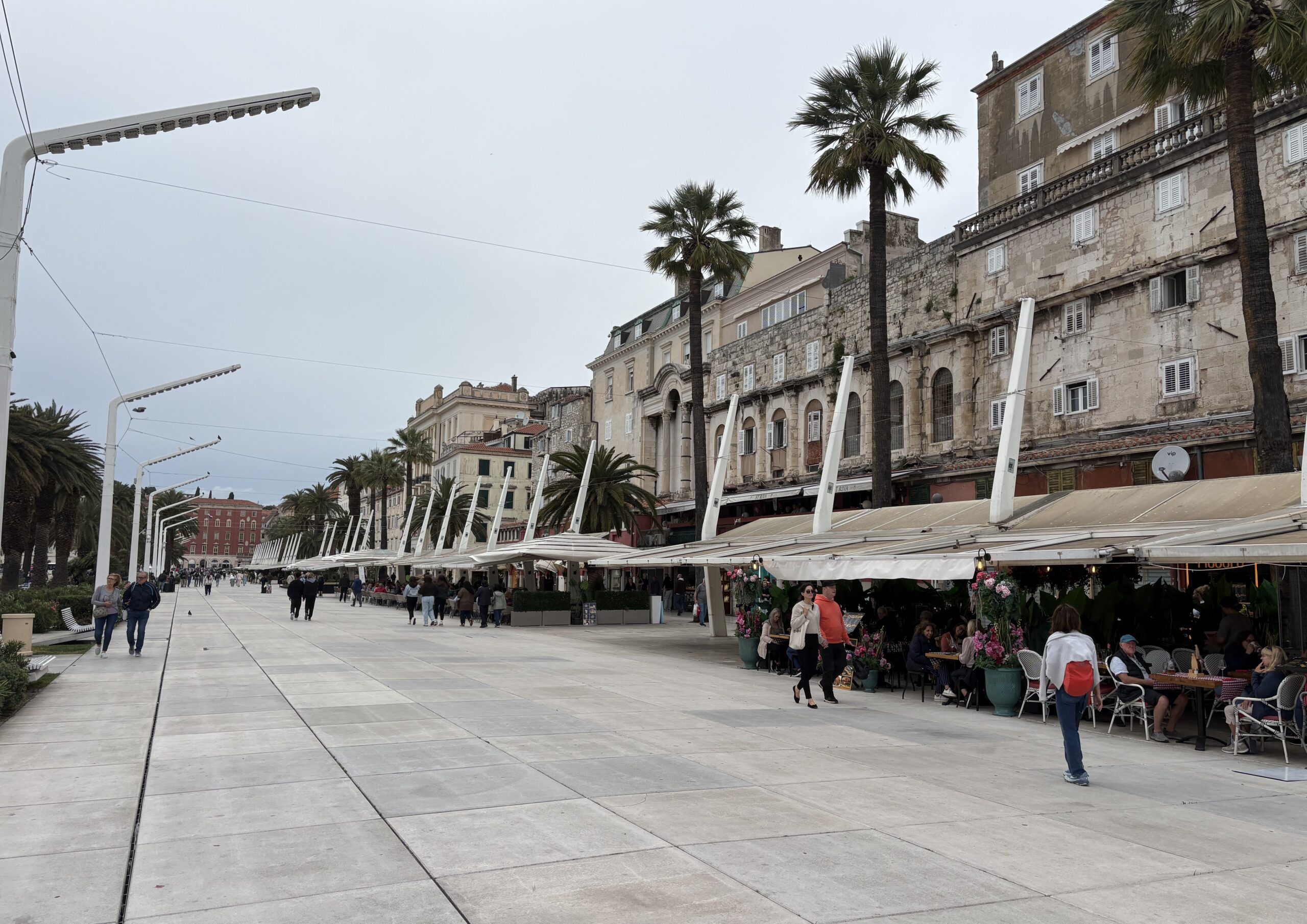
    Split's Riva promenade and the Diocletian's Palace façade.
    Split’s Riva promenade and the Diocletian’s Palace façade.

    Most old towns have a historic center you visit. Split’s historic center is a Roman emperor’s palace that a whole city moved into and never left — shops, apartments, restaurants, and laundry lines inside walls that have stood for some 1,700 years. You don’t tour it and go back to your hotel. If you stay the way we did, the palace is your hotel’s neighborhood, your morning coffee run, and your walk home from dinner.

    We opened our three weeks in Croatia and Montenegro in May 2026 with four nights in Split, based inside Diocletian’s Palace itself. It was the right first base for the whole trip — a working city to land in, a day trip up the coast, and the starting line for everything that came after. Here’s how we’d do Split again.

    Get the address right and the rest follows

    Split operates on two speeds: the Old Town — Diocletian’s Palace and the warren of streets immediately around it — and everything else. For a first visit, you want to be in or immediately adjacent to the Old Town. The difference between a hotel inside the walls and one two blocks outside is the difference between waking up in history and waking up near it.

    Our base was Hotel Vestibul Palace — inside the palace itself, in a 1,700-year-old Roman vestibule. The address matters more than the brand in Split, and this one can’t be beaten on address. Rooms run smaller than American hotels at comparable rates, which is fine: you’re not meant to spend time in them. You’re meant to spend it in the palace outside the door.

    What to look for wherever you land in the palace quarter: stone walls, air conditioning (essential May through September), a breakfast worth eating, and a host who answers questions. Rooftop access is a genuine differentiator — sunset over the Adriatic from a Split rooftop is one of the trip’s best moments. Expect €130–250 a night for a property that earns its rate. Anything significantly cheaper will show it.

    The Riva is your compass

    One landmark organizes the whole city: the Riva, the long promenade hugging the harbor, with the palace façade rising behind it. Everything radiates from it. The ferries to the islands leave from here. The best morning coffee is one block north of it. The market is a five-minute walk east. Learn the Riva on your first morning and you can navigate Split for the rest of the stay without thinking about it — palace streets for wandering, the Riva for orienting.

    That’s the honest pleasure of basing here: Split rewards the traveler who slows down. It’s a living city first and a sight second — people commuting through a Roman palace, shopping in its cellars’ shadow, arguing over coffee in its squares. Give it your first days, not your leftover ones.

    If you want the palace itself decoded on day one, book a private guide — the Diocletian’s Palace & Old Town walking tour runs 2.5 hours with a local guide and turns the warren into a story you can actually follow.

    Eating in the palace: three tables

    Zinfandel’s, at Hotel Vestibul Palace, is fine dining in a Roman atrium — you’re eating in a 2nd-century vestibule, and the food matches the room. Order the tasting menu if you have the time; otherwise the black risotto and grilled local fish. The wine list is the best in the city. This is the one reservation to make in Split — book it well in advance.

    Kadena, on Ul. Kneza Domagoja near the market, was our unexpected best meal: elevated Dalmatian cooking built on local sourcing, a young chef with genuine talent, and a room quieter than the Old Town tourist spots. Order whatever the fish of the day is, and the peka if you’ve called ahead. Go on a weeknight if you can.

    And Konoba Fetivi, in the Šperun neighborhood west of the palace, is the antidote to both: a traditional konoba — stone walls, simple tables, a no-nonsense menu — of the kind locals have eaten in for decades. Grilled fish by weight (ask what’s fresh), local wine by the carafe, prstaci if they’re offered. It’s the opposite of Instagram-optimized, and it fills early with locals who know. Make a reservation.

    Split is also a starting line

    The palace base pays off in day trips. Krka National Park and Skradin — a morning of river waterfalls and a long harbor lunch — sit about 45 minutes north, and that was one of the best days of our trip. The island ferries leave from the Riva in front of you; our own route out of Split was the start of a five-day island bike ride down the chain to Dubrovnik, which is its own story.

    And when you do drive south, drive the coast. The D8 highway from Split toward Dubrovnik is legitimately one of Europe’s great drives — turquoise water on your left, limestone mountains on your right, stone villages every fifteen minutes. Don’t rush it: budget a full day, not a half day, because you will want to stop. Stops worth making: Omiš, where the Cetina river meets the sea; Brela, the postcard beach — thirty minutes, no more, no less; Makarska for a harbor lunch; Ston and Mali Ston for the salt pans and the best oysters on the coast; and the Pelješac Peninsula, where the Dingač and Postup reds are exceptional. Practical notes: fill the tank in Split, because stations thin out on the peninsula; the Pelješac bridge has eliminated the old Bosnia corridor, so the drive is seamless now; the D8 runs slow behind trucks in summer, so leave early; and stay off the A1 motorway for this leg — it gets you there faster and you will remember nothing about it.

    Why Split first worked

    Every long trip needs a city that teaches you how the country works. For us that was Split: four nights inside a Roman palace, coffee on the Riva, one great day trip, three memorable tables, and a coast road pointing south. Land here, slow down, learn the rhythm — early mornings, long lunches, evenings in old stone streets — and the rest of the coast opens up exactly the way it should.


    Take the whole trip: Croatia & Montenegro: The Luxury-Adventure Playbook — Split is the opening base of the three-week route we actually took: the palace, Krka, the five-day island bike ride, Dubrovnik, Kotor and the Bay — every stay, table, and real cost included. $29 on Gumroad.

    Start with the free one: Dubrovnik in a Day — The liveURGENT Way — the free PDF from the far end of the same trip.

    The Riva on your wall: Split’s promenade is November in the Croatia & Montenegro 2027 Wall Calendar — thirteen of our own photographs from this trip. $29.99 on Etsy.

    Read next: Krka & Skradin: The Easiest Great Day Trip from Split · Cycling the Islands: Split to Dubrovnik by Bike · Hvar & Korčula: Where to Eat Beyond the Ride

    Disclosure: Some links on this site are affiliate links. If you book through them, liveURGENT may earn a small commission at no extra cost to you.
  • Krka & Skradin: The Easiest Great Day Trip from Split

    Krka & Skradin: The Easiest Great Day Trip from Split

    By David Pierce · liveURGENT Unbound

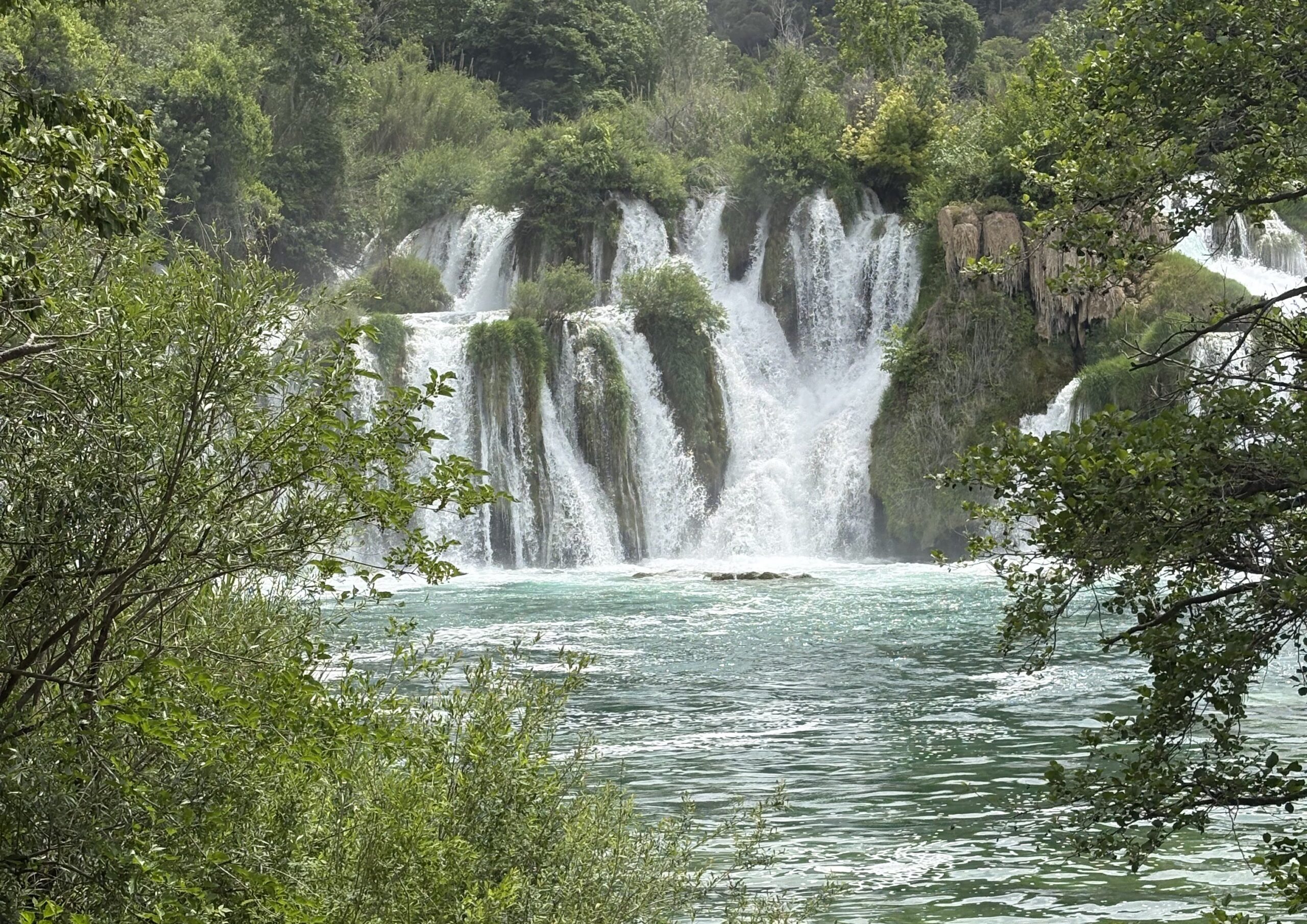
    Skradinski Buk falls, Krka National Park

    Some day trips earn their place by being spectacular. This one earns it by being spectacular and easy — a morning walking a river of waterfalls, a long lunch on a harbor, and back in Split for dinner, with no part of the day fighting you. Of all the days in our three weeks in Croatia and Montenegro in May 2026, Krka and Skradin may have been the simplest to get right. Here’s the exact shape of it.

    Start in Skradin, not at the park gate

    Skradin is a small harbor town at the base of Krka National Park, about 45 minutes north of Split. That’s where you park the car.

    From Skradin, take the park shuttle boat upriver into the park. It’s included in the entrance fee, it’s more pleasant than driving in, and it sets the tone for the whole morning — you arrive at the falls by water, already slowed down. Book park tickets online in advance in high season; the queues are real.

    Budget 3–4 hours in the park. That’s enough to do the walk properly without turning it into a march.

    Going from Split without a car, the cleanest version is a private trip: the Krka waterfalls trip with a boat ride and Trogir runs about nine hours door to door.

    The walk is the thing

    The headline sight is Skradinski Buk, the park’s great stepped waterfall — but the honest truth is that the walk along the river is the experience, not any single viewpoint. Boardwalks and paths follow the water through the falls system, and the right way to do it is the way we’d tell a friend: go early, take your time, stop often.

    One expectation to set before you go: the park has been more restricted in recent years, and there is no swimming in the main falls area anymore. Older photos of people swimming under Skradinski Buk are out of date. It doesn’t diminish the day — the walk remains spectacular — but go for the walk, not a swim, and you won’t be disappointed.

    Then the real point of Skradin: lunch, slowly

    Return to Skradin for a late lunch at a restaurant on the harbor. That’s the day. Don’t overcomplicate it.

    Skradinski Buk (the restaurant, on the harbor — same name as the falls) is waterfront, traditional, and reliable: the tourist-facing option that still delivers genuinely good food because the ingredients leave no room for failure. Order the lamb or veal peka — but call ahead, because peka needs 24 hours minimum notice — or the freshwater fish from the Krka river, with a local Šibenik-area wine.

    Our favorite discovery, though, was Konoba Cantinetta, in the old town: tiny, intimate, and wine-focused. This is where the serious wine drinker in the group will be happiest. The food is excellent but secondary — the wine list is the point. Ask the owner to guide you through the local producers. He knows every wine on his list and will talk about them for as long as you’ll listen. We listened for a long time.

    After a morning in the park, this is exactly what you want: a long, slow lunch, water in front of you, no particular reason to hurry.

    The Skradin rhythm

    The whole day compresses into one rhythm:

    Morning in the park, long lunch on the harbor, drive back to Split for dinner — or don’t.

    That “or don’t” is real. Skradin at dusk, with the day visitors gone, is one of the quiet pleasures of the coast. If your evening is unplanned, staying for it is not a consolation prize; it’s a legitimate choice, and on another version of this trip it’s the one we’d make.

    Practical notes from our day

    • Park in Skradin and boat in. The shuttle boat is included in the entrance fee and beats driving to the gate.
    • Book park tickets online in advance in high season. The queues are real, and this is the easiest line on the whole trip to skip.
    • Call a day ahead if you want peka. 24 hours minimum at Skradinski Buk — it’s the dish, and it can’t be improvised.
    • Go early. The same rule as everywhere on this coast: the morning version of a famous place is a different, better place.
    • Don’t stack the day. Krka plus Skradin is a complete day. Adding a second stop on the way back is how a great easy day becomes a tiring one.

    Take the whole trip: Croatia & Montenegro: The Luxury-Adventure Playbook — Krka & Skradin is one day in the Split base of the three-week route we actually took, with every stay, table, and real cost included. $29 on Gumroad.

    Start with the free one: Dubrovnik in a Day — The liveURGENT Way — the free PDF from the other end of the same trip.

    Krka on your wall: the Croatia & Montenegro 2027 Wall Calendar puts Krka Falls in April — thirteen of our own photographs from this trip. $29.99 on Etsy.

    Read next: Dubrovnik: Stay Two Nights, Not One Day · Split: Sleeping Inside a Roman Palace · What Three Weeks in Croatia & Montenegro Actually Cost

    Disclosure: Some links on this site are affiliate links. If you book through them, liveURGENT may earn a small commission at no extra cost to you.
  • Kotor & the Bay of Kotor: The Fjord That Stopped Us Cold

    Kotor & the Bay of Kotor: The Fjord That Stopped Us Cold

    By David Pierce · liveURGENT Unbound

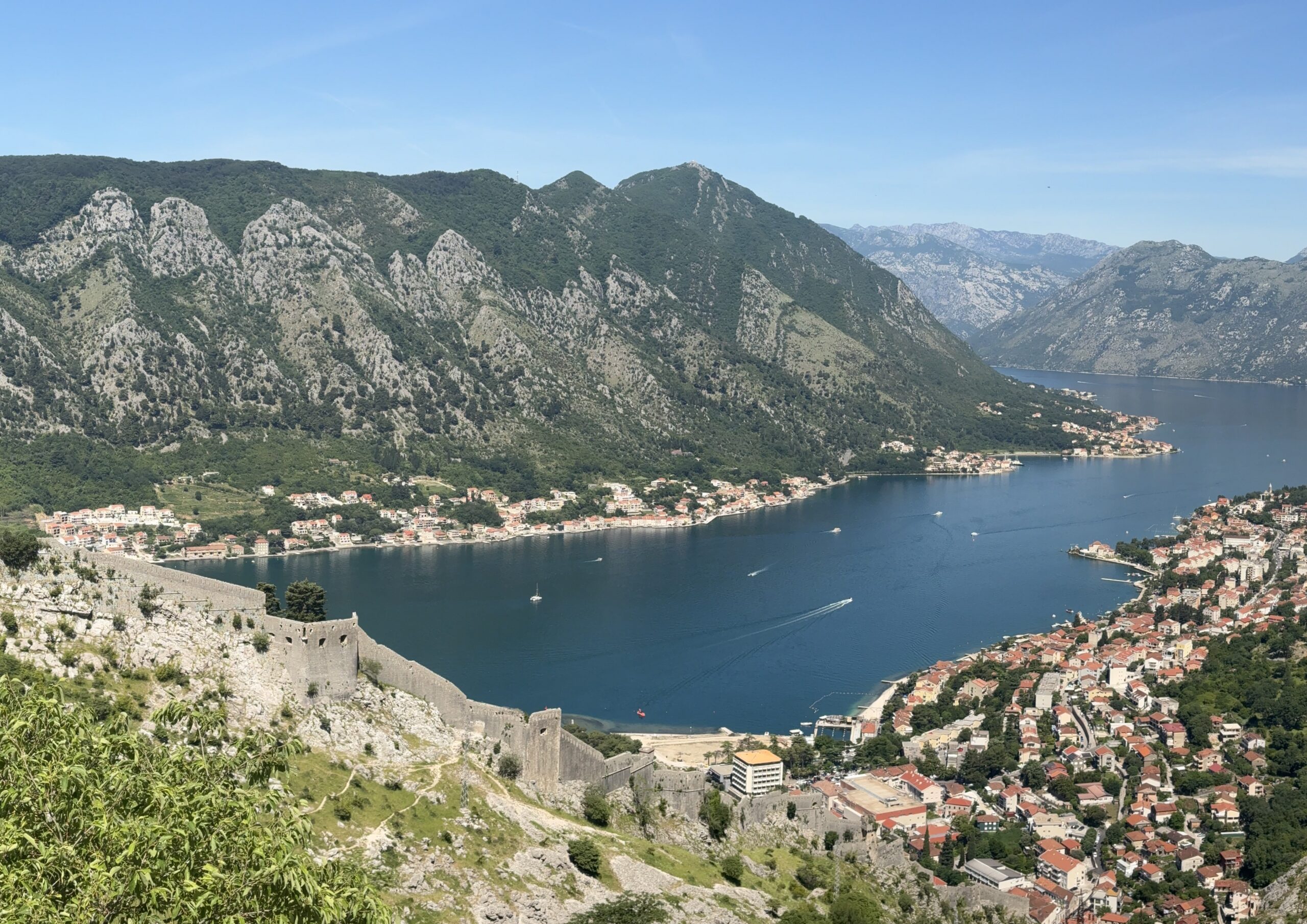
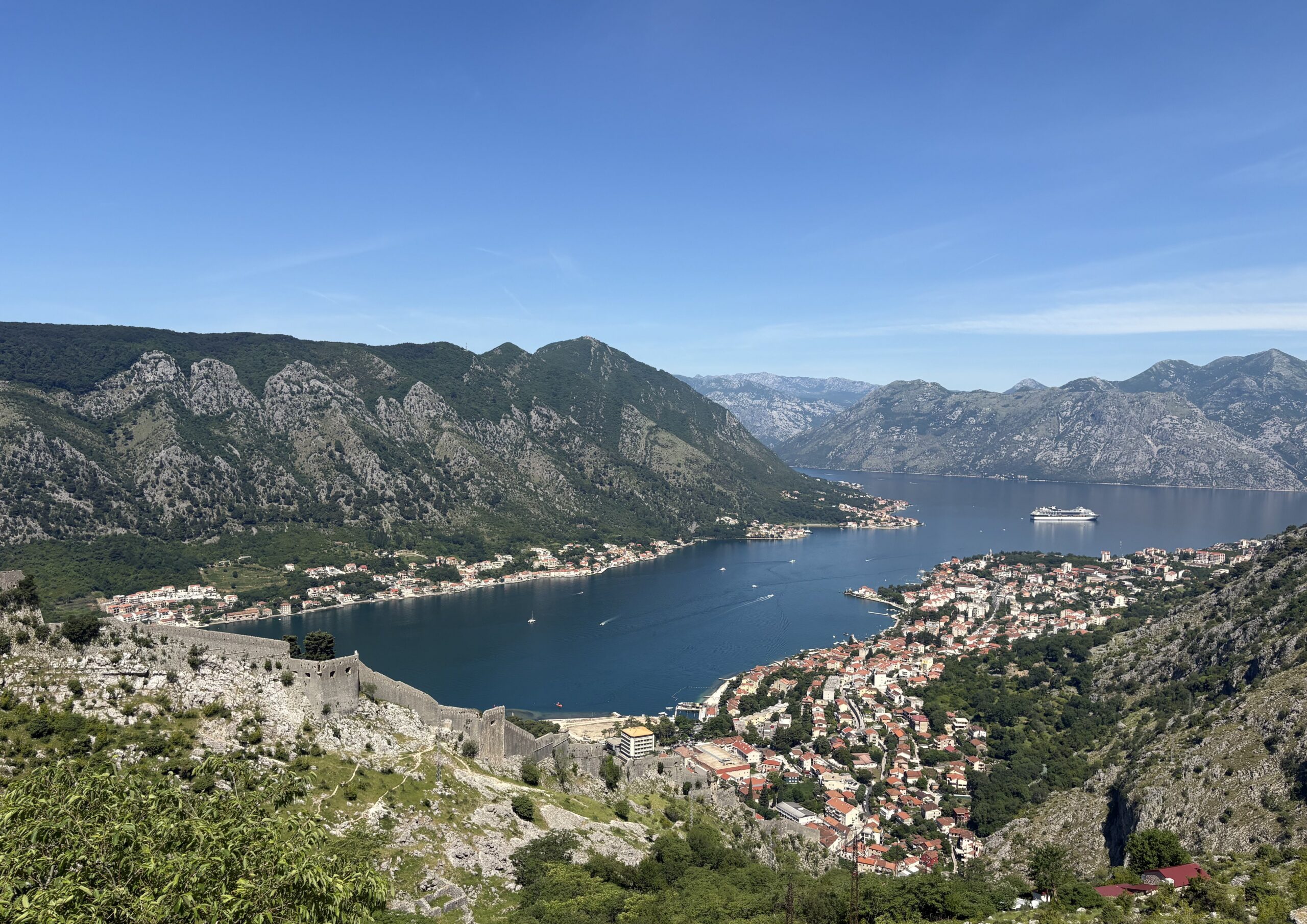
    The Bay of Kotor from high above, Kotor's walls climbing the mountain

    We expected a border crossing and a day trip. We got one of the most dramatic landscapes we have ever seen — and stayed longer than planned.

    The Bay of Kotor, in Montenegro, is technically a fjord, which explains the drama: black mountains dropping straight into still, dark water, a medieval walled town pinned at the far end. We crossed in from Dubrovnik during a three-week trip through Croatia and Montenegro in May 2026, based ourselves on the bay for a week, and it became the half of the trip we talk about most. Here’s how to do it the way we did — and the way we’d do it again.

    The arrival is the first attraction

    One thing nobody told us: the drive in is part of the experience. The road from the border to Kotor wraps around the bay, and the bay itself does the introducing — impossibly still water, mountains straight out of it, and then, around one more bend, the medieval walls of Kotor appearing across the water. Have someone else driving when that bend comes. You’ll want to look, and the road wants your attention. We stayed on the bay seven nights of our three weeks, and that first circuit of the water is still the moment we’d hand to anyone who asks why Montenegro.

    Base in Tivat, visit Kotor

    This is our honest first recommendation, and it runs against most advice: stay in Tivat, not Kotor.

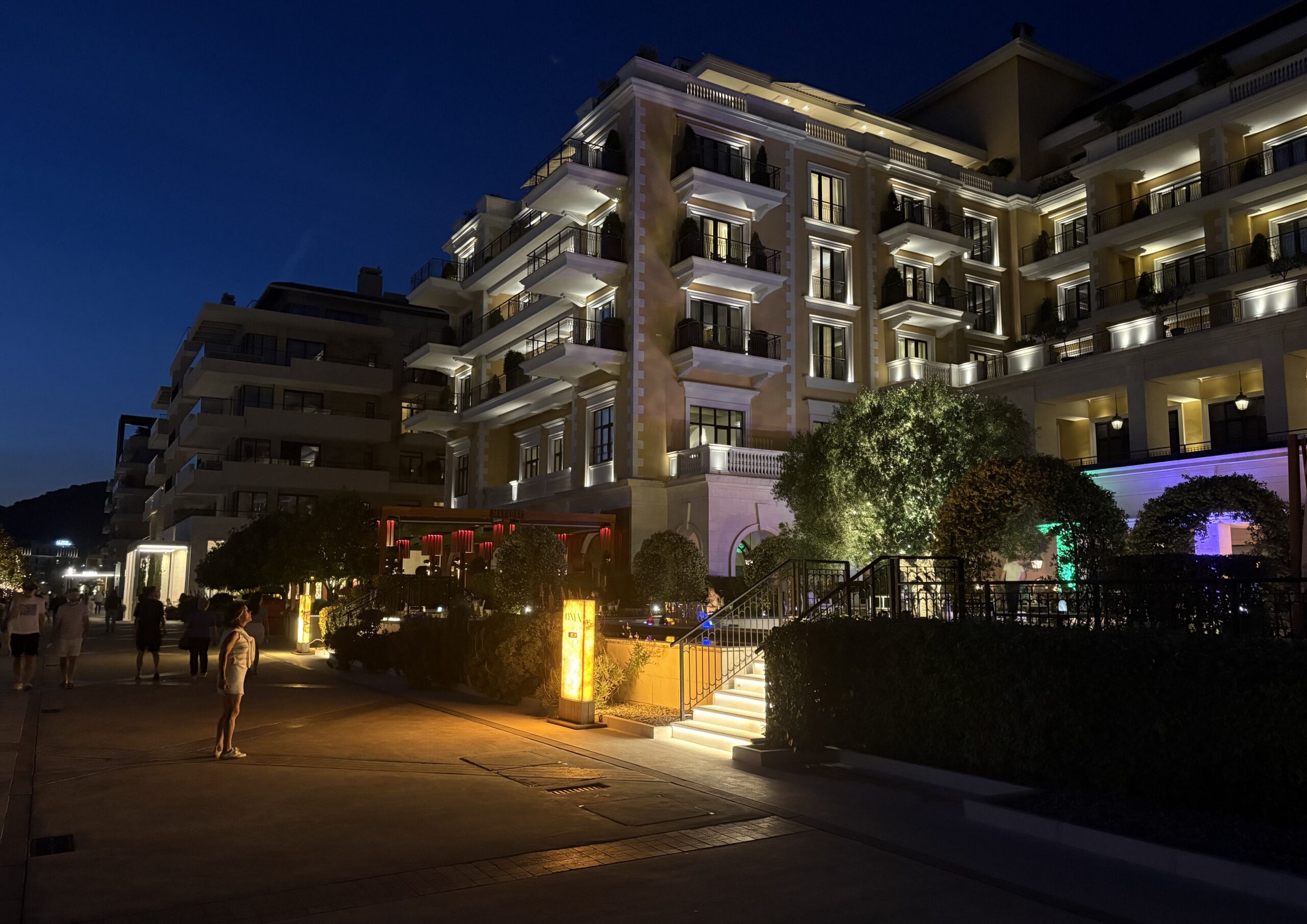
    Kotor’s Old Town is wonderful to visit and tight to live in. Tivat, twenty minutes around the bay, gives you everything Kotor doesn’t — a relaxed waterfront, excellent restaurants, easier parking, and a pace that lets you breathe. Porto Montenegro, the marina development, is genuinely beautiful, with good dining and an evening promenade that became our nightly routine.

    Porto Montenegro's waterfront promenade at night

    We stayed at the Hyatt Regency Kotor Bay, on the Tivat side. Expect roughly €110–300 a night in Tivat depending on the property, with Porto Montenegro at the top end. You visit Kotor; you live in Tivat. That split made the whole week work.

    The fortress climb: 1,355 steps, worth every one

    Kotor’s city walls climb the mountain behind the Old Town to the fortress of San Giovanni, and the view from the top — over the red roofs, the walls, and the whole bay — was the single best panoramic moment of our trip.

    The climb is 1,355 steps and it’s steep. Budget about 90 minutes up and down, wear shoes with grip (the stone is polished), and time it like everything else on this coast: early morning or late afternoon. At 8 AM we had the walls nearly to ourselves. At midday in the heat, the same climb is a different and worse proposition.

    Kotor's fortress walls above the Old Town

    The Old Town, and the crowd rule

    Kotor’s Old Town is UNESCO-listed, smaller than Dubrovnik, less trafficked, and more authentically lived-in — locals actually live here. The main square, Trg od Oružja, is the social anchor. The cats are a cultural institution; there’s a cat museum, the cats are friendly, and everyone feeds them.

    The crowd rule we learned from experience: when two or three big ships are in port, Kotor’s narrow streets go shoulder-to-shoulder. We don’t track port schedules and won’t pretend to — but your hotel will know what’s expected that day, so ask at breakfast and plan accordingly. The fix is the same as everywhere on this coast: before 9 AM or after 5 PM, the town is yours; midday belongs to the day-trippers. Practical notes: there’s no parking inside the walls (a paid lot sits just outside the main gate), the town is entirely walkable once you’re in, and Montenegro uses the euro even though it isn’t in the EU.

    For dinner in Kotor, Galion — just outside the walls, on the water — is the nicest table in town: upscale seafood, white tablecloths, bay views. Book it for sunset and order the seafood risotto and the fish of the day. For the antidote, Konoba Cesarica inside the Old Town is traditional Montenegrin — smoked lamb, local cheese, Vranac wine — where you go to eat like someone who lives here. Arrive early or late; they don’t take reservations.

    Perast & Our Lady of the Rocks: a half day, minimum

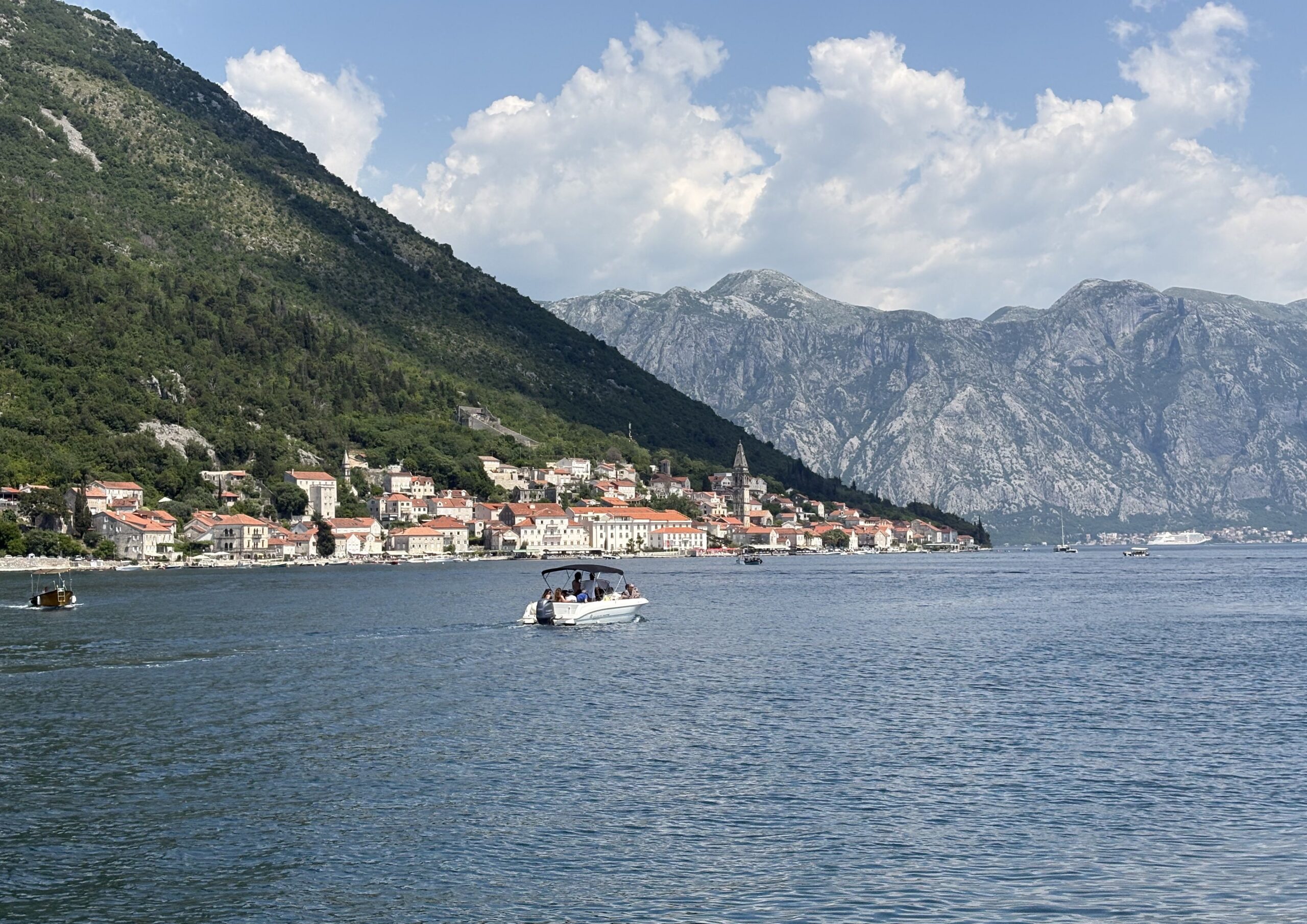
    Twenty minutes north of Kotor, on a road that hugs the water, sits Perast — a small baroque town with one main street along the bay and the best-preserved baroque architecture in the region. It deserves a half day minimum, and we’d argue for a full slow one.

    The signature experience is the water taxi out to Our Lady of the Rocks, a man-made island with a 17th-century church, built stone by stone by sailors leaving rocks in thanksgiving for safe passage. The church interior is covered in ex-votos — silver plaques, paintings, offerings left over centuries — and it is genuinely moving in a way that surprised us both. Water taxis run €5–8 per person, negotiated at the dock; go before 10 AM or after 4 PM.

    Perast on the Bay of Kotor

    Then lunch, at a waterfront table, with no particular schedule. Per Agio, on the Perast waterfront, was the best lunch table of our entire trip — fresh fish, local wine, the bay in front of us. The combination is as close to a perfect afternoon as travel offers. Drive back via the upper road for a completely different perspective on the bay.

    Lovćen: the switchbacks above the bay

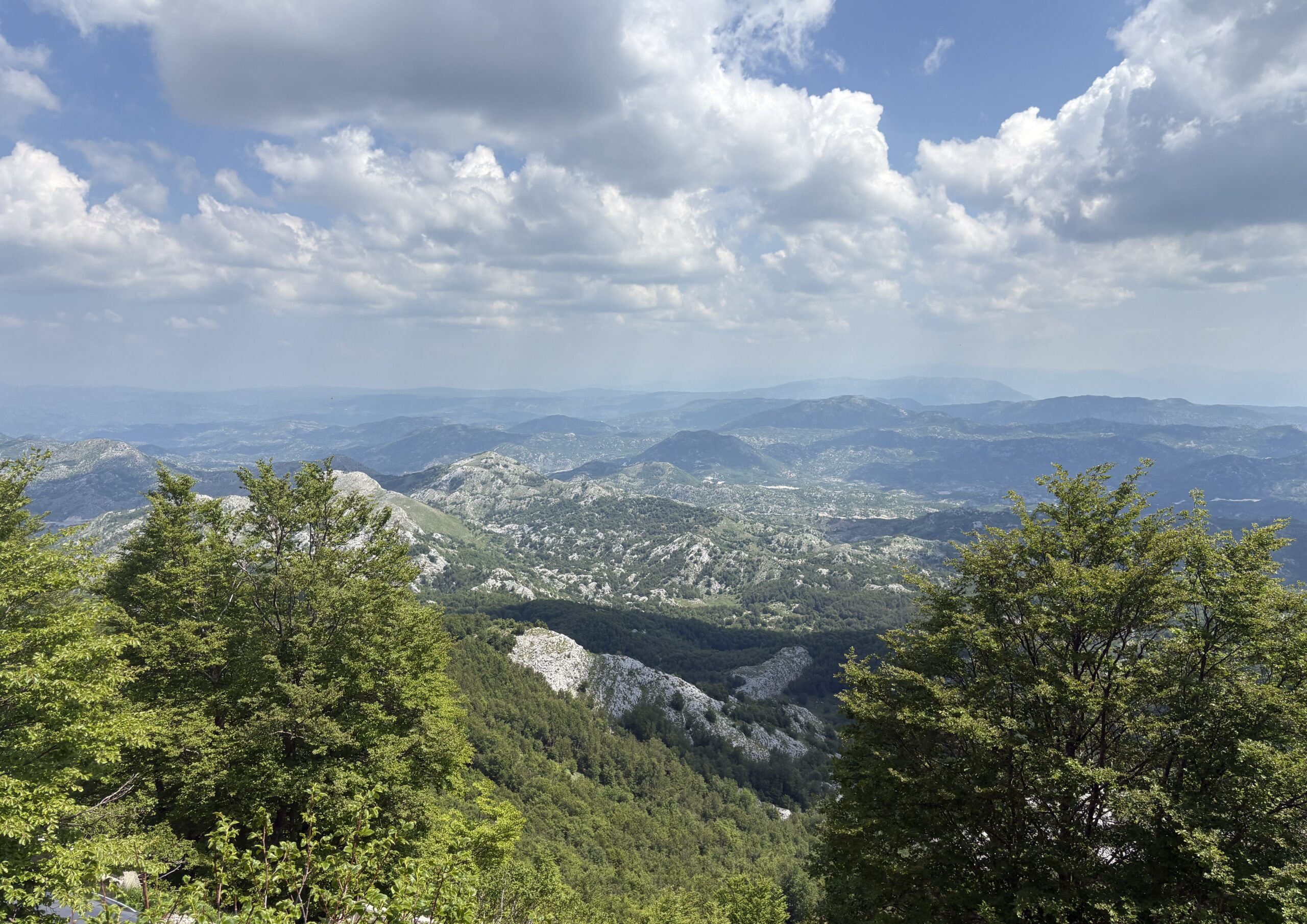
    If you have a day for the mountains, the road from Kotor up to Lovćen National Park is spectacular — and, honestly, the most stressful driving of the trip. It’s a narrow, single-lane mountain road with switchbacks and sections without guardrails; oncoming traffic sometimes means one car backing up. Go slowly, use your horn on blind corners, and don’t attempt it after dark or in the wet.

    The green slopes of Lovćen above the bay

    The reward is the whole Bay of Kotor laid out below you from altitude. The natural halfway stop is the village of Njeguši, famous for its mountain prosciutto and cheese — the obvious lunch break if your timing works. We drove the road for the views rather than the stops, and the views alone justified it. Just go in with your eyes open.

    Why the bay works

    Montenegro is early in its life as a luxury travel destination, which means the prices are still reasonable, the crowds are manageable, and the experience feels genuine in a way parts of the coast no longer do. Our advice is simple: go now, before that changes. Base in Tivat, climb the fortress early, take the boat to the island church, eat the long lunch in Perast, and let the bay set the pace.


    Take the whole trip: Croatia & Montenegro: The Luxury-Adventure Playbook — this Bay of Kotor week is the back half of the three-week route we actually took, with Split, the island bike ride, and Dubrovnik before it — every stay, table, and real cost included. $29 on Gumroad.

    Start with the free one: Dubrovnik in a Day — The liveURGENT Way — the free PDF from the Croatia half of the same trip.

    The Bay on your wall: the Croatia & Montenegro 2027 Wall Calendar opens with Kotor’s fortress in January and the bay in June — thirteen of our own photographs from this trip. $29.99 on Etsy.

    Read next: Dubrovnik: Stay Two Nights, Not One Day · Perast & Our Lady of the Rocks: A Half Day, Minimum · Lovćen: The Switchbacks Above the Bay · Driving Montenegro: The Border, the Rental Car, and the Insurance That Saved Us · Krka & Skradin: The Easiest Great Day Trip from Split

    Disclosure: Some links on this site are affiliate links. If you book through them, liveURGENT may earn a small commission at no extra cost to you.
  • Dubrovnik: Stay Two Nights, Not One Day

    Dubrovnik: Stay Two Nights, Not One Day

    By David Pierce · liveURGENT Unbound

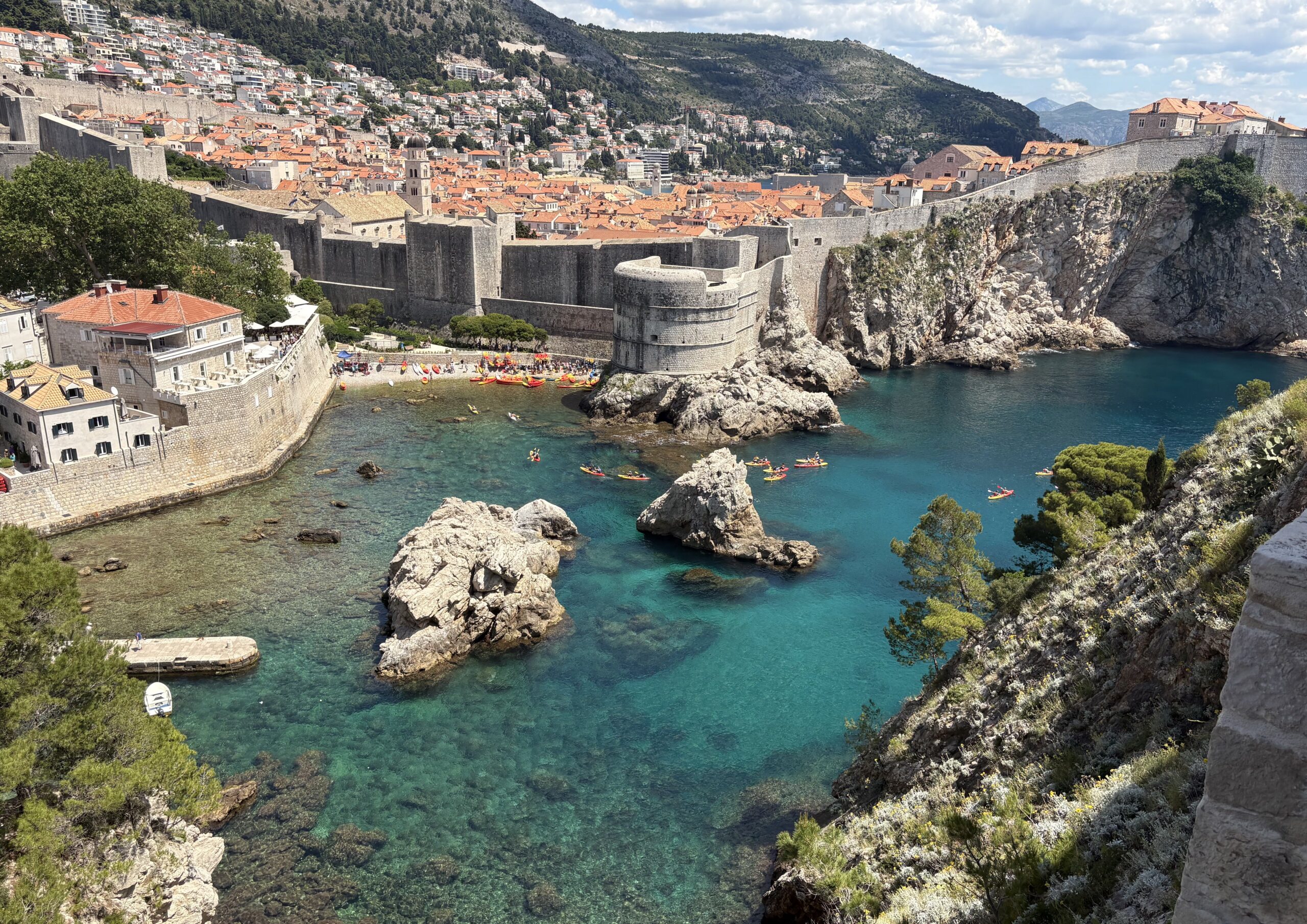
    Fort Bokar and Dubrovnik's west harbor from the city walls

    Dubrovnik is the most-visited city on Croatia’s coast, and it’s the one most people do wrong. They come in on a cruise ship or a day-trip bus at ten in the morning, shuffle through the Old Town at its most crowded and hottest, and leave by five convinced they’ve seen it.

    They haven’t. They’ve seen the worst seven hours of Dubrovnik’s day. The two best windows — the city walls first thing in the morning, and the Old Town in the evening after the day crowds drain away — belong to the people who sleep here. So sleep here. Two nights is the number, and this is how we’d spend them.

    The day-trip math

    A day trip hands you Dubrovnik from roughly 10 AM to 5 PM: peak heat, peak crowds, every narrow street at shoulder height. Two nights hand you the walls at opening time, an afternoon on the water, sunset on a cliff, and two dinners — plus a second morning if you want it. The overnight isn’t a splurge. It’s the whole strategy.

    We spent three weeks in Croatia and Montenegro in May 2026, and Dubrovnik was deliberately placed in the middle of it — two nights, no rushing — after Split and a five-day island bike ride down the coast. Everything below is what we actually did.

    Where we stayed

    Hotel Excelsior, in Ploče, just outside the Old Town. The selling point is the view: the city walls and the island of Lokrum spread out in front of you, close enough to walk to the Old Town in minutes, far enough to actually sleep. It’s a splurge stay — check current rates when you book — and for two nights, in this one city, we decided the view was the point of the trip and paid for it. We’d do it again.

    Day 1: Arrive, sunset, settle in

    Resist the urge to “do” the Old Town on arrival afternoon. That’s the worst window of the day, and it’ll still be there tomorrow morning, empty.

    Instead, walk out to Buža Bar for sunset. It’s a cliffside bar outside the walls — no reservations, no ceremony, just cold drinks on the rocks above the Adriatic while the light goes down. It’s the best possible first hour in Dubrovnik: the city behind you, the sea in front, nobody trying to sell you anything.

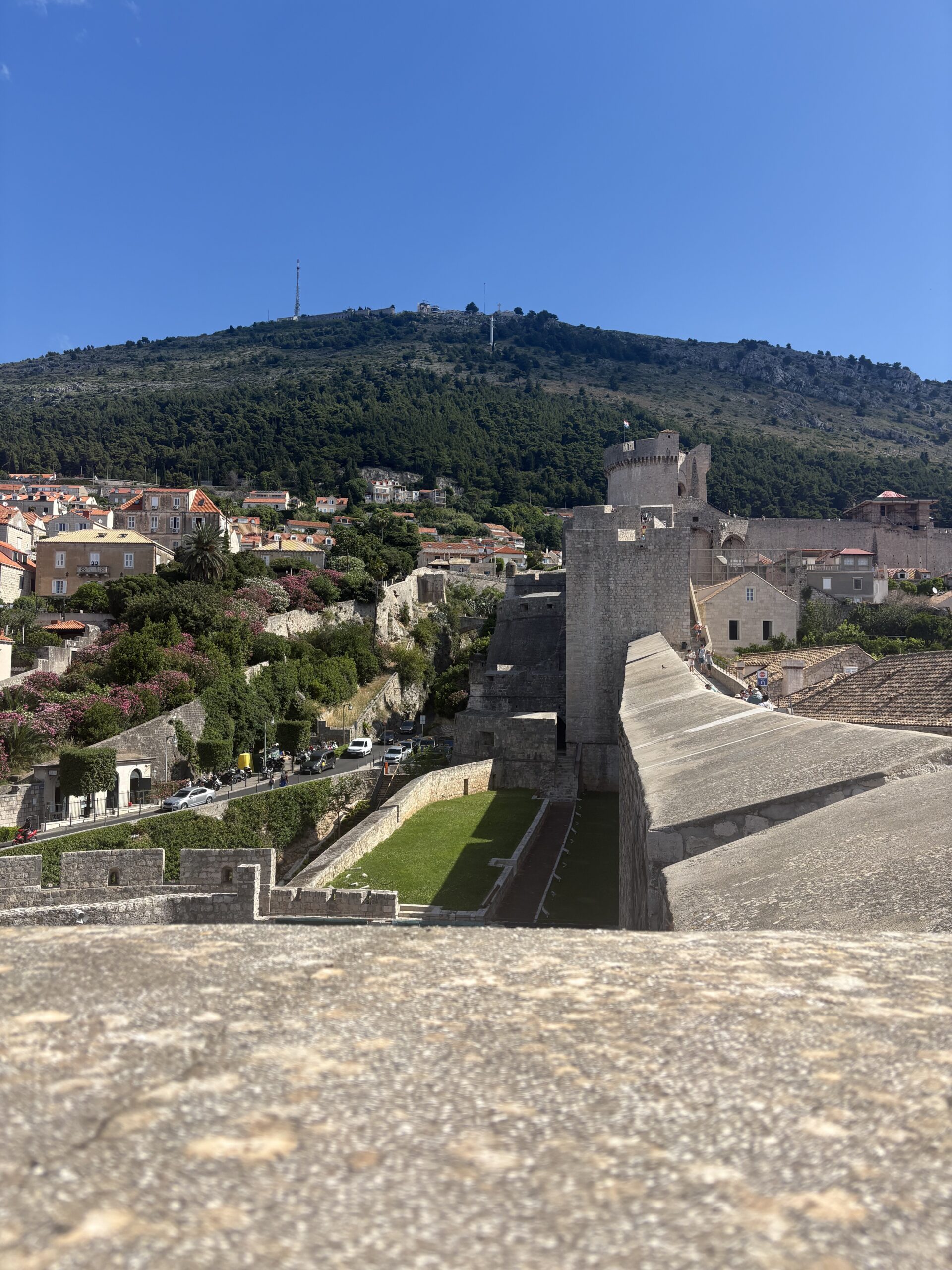
    Dubrovnik's city walls and Minčeta Tower with Mount Srđ behind

    Then dinner at Proto, in the Old Town. Classic Dubrovnik seafood, the established name that’s earned its reputation the long way. It’s the right first-night table: excellent food, no occasion-pressure. You’ll walk back through limestone streets that are already cooling and emptying — your first taste of the evening version of this city, which is the version worth traveling for.

    Day 2: The walls at opening, the water in the afternoon

    Be at the city walls when they open. The full circuit takes about two hours at a strolling pace with photo stops, and going first means you walk them nearly alone — golden light, empty parapets, the whole terracotta city laid out below you with Mount Srđ behind it. By ten, the same walk is a queue. This single decision — walls first, everything else after — is the highest-value move in Dubrovnik.

    A private guide earns his keep up here: the Dubrovnik Top 3 tour covers the Old Town, the walls and the cable car in about three and a half hours.

    Afterward, the Old Town is yours at the right speed: the Stradun, the side streets, a slow coffee, a long lunch. No agenda. The morning was the sightseeing; the middle of the day is for being here.

    In the afternoon, get on the water. We took a private boat cruise around Dubrovnik and the nearby islands — $100 per person, booked through our hotel, and one of the best-value afternoons of the entire trip. The city from the sea is a different city: all walls and terracotta, and not a single crowd. (I don’t have the operator’s name to give you — your hotel will know who’s running that week, and booking through them worked perfectly for us.)

    Dinner is the splurge: Nautika, right against the walls, white tablecloths, the sea in front of you. This is the anniversary-grade table — book ahead, take the terrace if you can, and make it your one big Dubrovnik night.

    Planning the whole trip? This Dubrovnik stay is days 13–14 of the three-week Croatia & Montenegro route we actually took — Split, the island bike ride, Dubrovnik, then the Bay of Kotor. The free one-day version of this Dubrovnik plan is here: Dubrovnik in a Day — The liveURGENT Way (free PDF). The full route, costs, and every table is in the Playbook below.

    Day 3: The local morning, then onward

    If your schedule allows a slow departure, take lunch at Konoba Dubrava before you leave. It’s the local-feel contrast to the polished rooms of the previous two nights — simpler, honest, unhurried, the kind of room where the menu doesn’t need translating. It’s the right note to leave on. Then drive on: south to Kotor and the Bay of Kotor was our route, and we’d point you the same way.

    If you have a third day (honest add-ons)

    We didn’t do these — and we’d tell you that over a drink — but they’re the standard recommendations for a reason:

    • Lokrum island, a 15-minute ferry from the Old Port: botanical gardens, a salt lake, peacocks, an easy half day.
    • The Mount Srđ cable car at sunset, for the full panorama over the walls.
    • Cavtat, thirty minutes south, for a quieter harbor lunch.

    Any one of them earns its half day. We can’t vouch for them from experience, and this site doesn’t pretend otherwise.

    Practical notes from our two nights

    • The walls circuit is a real walk. About two hours with stops, exposed to the sun the whole way — go at opening with water and a hat, not at noon on enthusiasm.
    • Book the big dinner before you arrive. Nautika is the anniversary-grade table against the walls; in season it fills. Proto was easier, but we still wouldn’t gamble a first night on a walk-in.
    • Book the boat through your hotel. We never learned our operator’s name and it didn’t matter — the hotel knew who was running that week, the price was $100 a person, and it was set in one conversation.
    • Stay walkable to the Old Town. The Excelsior’s Ploče location was the whole game: the walls in the morning, the Old Town at night, and a quiet room when we were done with both.

    The one rule that runs the whole visit

    Whatever month you come, the daily rhythm is the same: walls and Old Town before 9 AM or after 5 PM; the middle of the day for the water, long lunches, and shade. The crowds in Dubrovnik are a midday phenomenon. Plan around them and you’ll barely notice them — sleep here, and the city everyone complains about becomes the city you remember.


    Get the free guide: Dubrovnik in a Day — The liveURGENT Way — our exact one-day route, free.

    Take the whole trip: Croatia & Montenegro: The Luxury-Adventure Playbook — three weeks, day by day, with the real costs left in: Split, the five-day island bike route, these two Dubrovnik nights, Kotor and the Bay, and all sixteen tables we ate at. $29 on Gumroad.

    The Adriatic on your wall: the Croatia & Montenegro 2027 Wall Calendar — thirteen of our own photographs from this trip, Dubrovnik on the cover. $29.99 on Etsy.

    Read next: Kotor & the Bay of Kotor · Krka & Skradin: The Easiest Great Day Trip from Split · What Three Weeks in Croatia & Montenegro Actually Cost

    Disclosure: Some links on this site are affiliate links. If you book through them, liveURGENT may earn a small commission at no extra cost to you.